Refer a patient. Keep the loop closed.
Nephrology, primary care, cardiology, endocrinology: if your patient has kidney disease, hypertension, or cardiorenal risk, there may be a protocol for them here, with study-related care handled by us and every result reported back to you.
Research that respects the referral.
SCRI is run by the same board-certified nephrologists who practice at Nephrology Associates, PC, the region's premier site for kidney studies. We know what a specialist referral should feel like from your side of the fax machine.
Direct reporting
Physician-to-physician updates at screening, enrollment, and closeout. You are never left wondering whether your patient qualified.
Routine care continues with you
Study participation runs alongside their regular care. We manage the study-related visits only; everything else continues in your office.
No cost to the patient
Study visits, tests, and the investigational therapy are provided at no charge. Insurance is never billed for study-related care.
IRB oversight
Every protocol is approved and monitored by an Institutional Review Board before a participant is enrolled.
Certified coordinators
GCP-trained, ACRP-certified research coordinators, a dedicated regulatory specialist, and on-site pharmacy and lab management.
Investigators who publish
Board-certified nephrologists published in NEJM and leading journals (SPRINT, DAPA-CKD, vadadustat), several serving as medical directors of area dialysis centers.
Three steps, and you hear back.
Send us the clinical picture. We match it against every open protocol, contact the patient with your knowledge, and report the outcome to your office.
Use the form below, call the study team, or fax the clinical summary to (706) 722-5843. Keep identifiers off the web form. Fax or phone those.
A coordinator reviews the history against current inclusion criteria and calls the patient to explain the study and answer questions.
Whether the patient enrolls or not, your office hears back directly. Enrolled patients continue seeing you for everything outside the protocol.
Open studies by condition
Populations are as stated by each sponsor. Final eligibility is confirmed by the study team against the full protocol.
CKD & High Blood Pressure
Baxdrostat in combination with dapagliflozin, evaluated for renal outcomes and cardiovascular mortality in chronic kidney disease (BaxDuo-Pacific).
Who it is forAdults with chronic kidney disease and high blood pressure.
IgA Nephropathy
Extended TARPEYO® (delayed-release budesonide) treatment in adults with primary IgA nephropathy (NefXtend).
Who it is forAdults with primary IgA nephropathy who have completed 9 months of TARPEYO® 16 mg.
Broader experience across CKD, diabetic kidney disease, IgA nephropathy, anemia of CKD, polycystic kidney disease, resistant hypertension, and dialysis. See the completed-study history.



Start the conversation
Clinical context only on this form: no names, dates of birth, or record numbers. We will call your office to coordinate the rest, or you can fax the summary directly.
- We call your office to coordinate the referral
- Patient contacted only with your knowledge
- Outcome reported back to you either way
Practicing nephrologists, led by Dr. Matthew Diamond, DO, FASN, FACP
Every investigator sees patients at Nephrology Associates, PC. Your patient is evaluated by a specialist, not a study desk.
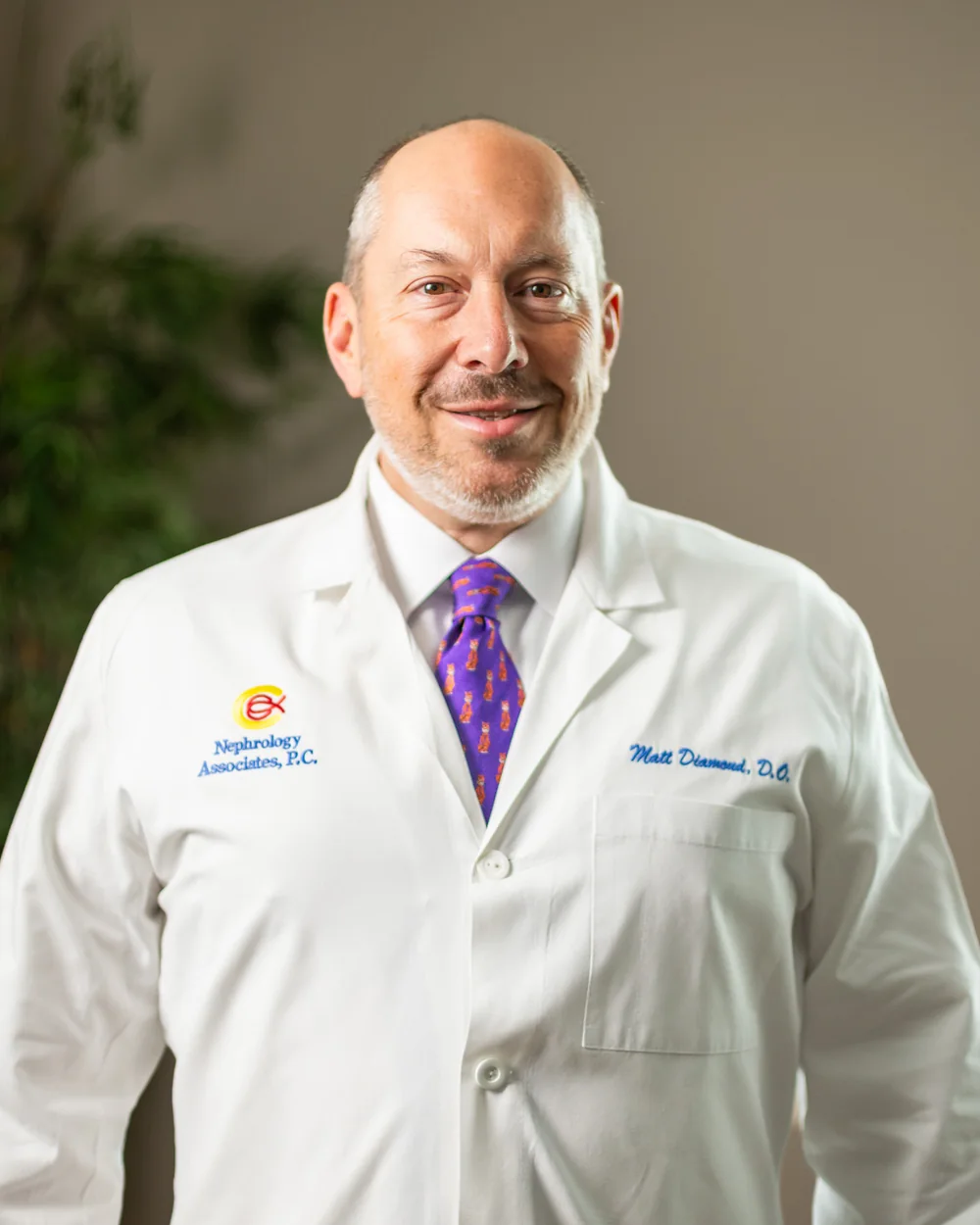
Dr. Matthew DiamondDO, FASN, FACP
Former Professor of Medicine at the Medical College of Georgia and a SPRINT site investigator, published in the New England Journal of Medicine on intensive blood-pressure control and chronic kidney disease. A Fellow of both the American Society of Nephrology and the American College of Physicians, he directs every study SCRI runs.

Barton BrezinaMD

H. Doug HubertMD

Devesh PatelMD

S. Nabil BabarMD
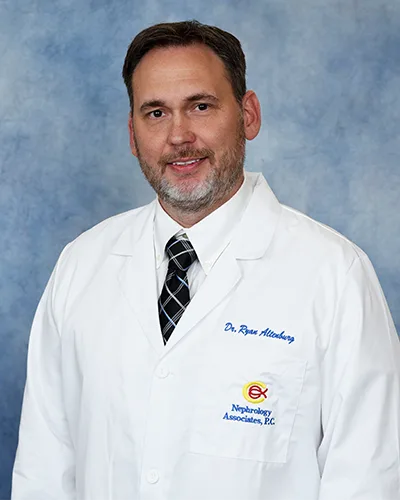
Ryan AltenburgDO
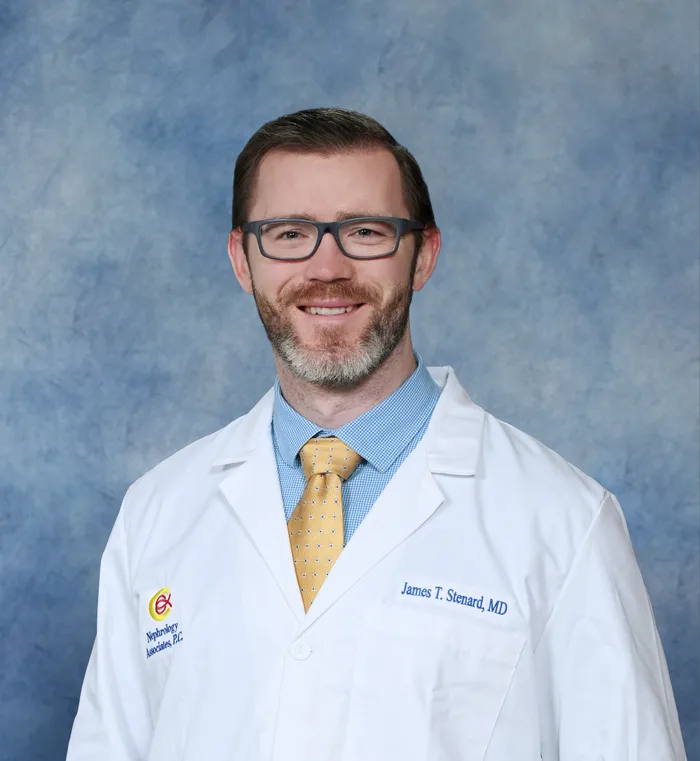
James StenardMD, MS
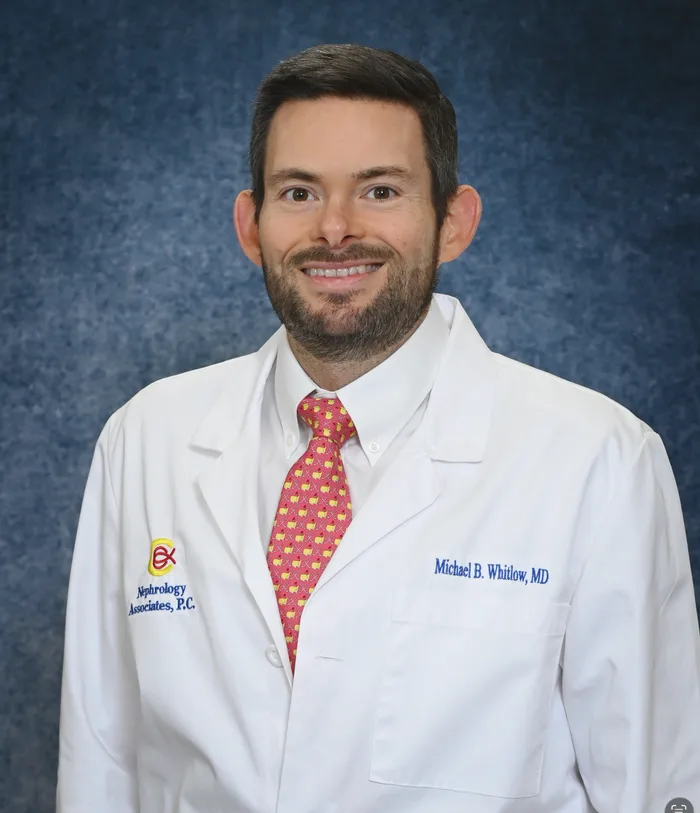
Michael B. WhitlowMD
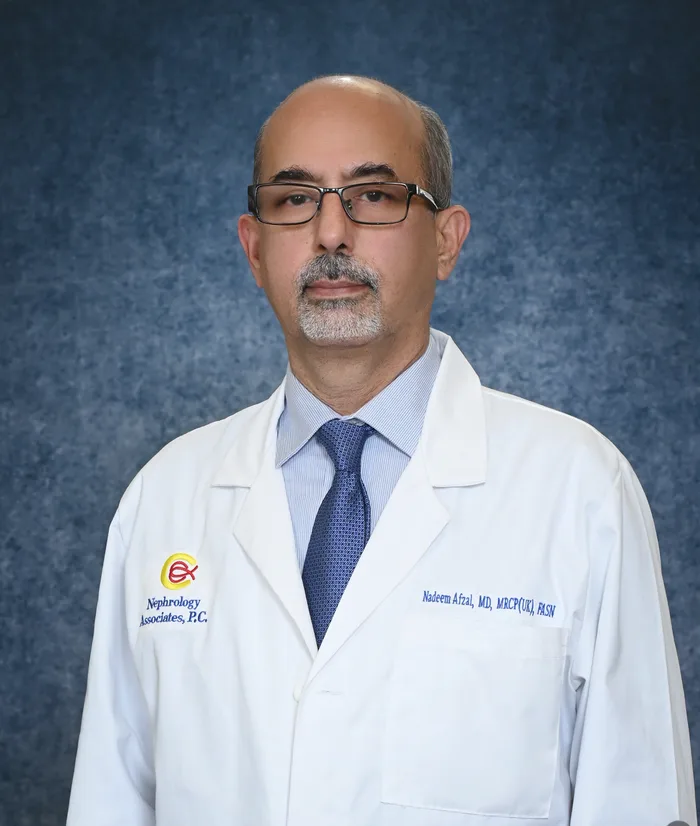
Nadeem AfzalMD

Trevor TobinDO
Ready to get started?
See if a study fits
Tell us a little about your kidney health and we will call you back. It costs nothing to ask.
Start here →Refer a patient
We screen against every open protocol and report the outcome back to your office, either way.
Refer now →Bring us your protocol
Call to discuss feasibility with a site that has delivered kidney trials for more than 25 years.
Call (706) 922-3005 →Southeastern Clinical Research Institute, LLC · 1521 Anthony Road, Augusta, Georgia 30904 · (706) 922-3005 · Fax (706) 722-5843
Two things worth reading
Written by the research team at the region's kidney research center, for patients, physicians, and sponsors alike.
Why a research institute owned by the treating nephrologists finds the patient, keeps the patient, and returns clean data. With the record to show for it.
Read the paper → From the blog Polycystic kidney disease: the research behind the first treatment, and Augusta's part in itWhat ADPKD is, what tolvaptan does, what comes next, and what families can do now.
Read the article →